


The list of services is being updated.
For all necessary information, you can contact us by phone: 8 (8652) 20-55-66


The list of services is being updated.
For all necessary information, you can contact us by phone: 8 (8652) 20-55-66
The list of services is being updated.
For all necessary information, you can contact us by phone: 8 (8652) 20-55-66
Electroencephalography (EEG) in children is used to detect pathologies in the brain, such as epilepsy, developmental delays, sleep disorders and other neurological disorders. This technique captures the electrical impulses that neurons generate through electrodes placed on the surface of the head.
The test is safe for children of any age, including newborns, as it does not involve exposure to radiation or invasive procedures. The method is based on recording the biopotential of the brain, which reflects its activity in real time. This makes the procedure an important tool for diagnosing and monitoring neurological conditions.
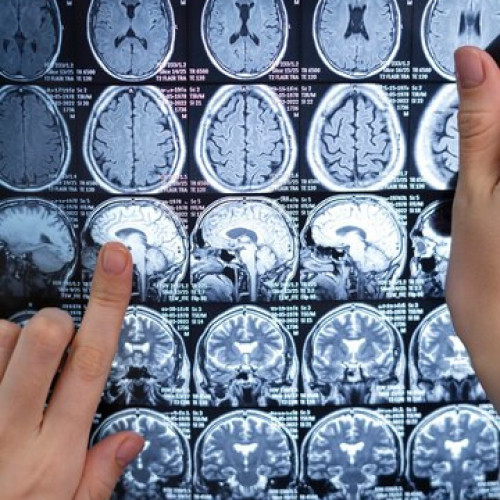
EEG of the brain is prescribed in cases where a child is suspected of neurological disorders or requires control of an already diagnosed disease. The indications are varied and include the following situations:
The examination is recommended by a neurologist based on complaints, history and clinical picture. In some cases, the study may be recommended for preventive purposes, for example, if there is a predisposition to neurological diseases.
The EEG procedure is simple but requires some preparation and adherence to the protocol to ensure the results are accurate. The study is conducted in specialized medical centers or neurological departments. When preparing, the child should wash his or her hair to remove possible contaminants or skin secretions. For young children, it is important to ensure a state of rest or sleep, so the study is often prescribed during daytime sleep. Parents should explain in advance that the procedure is painless to reduce anxiety. During the procedure:
After the procedure is completed, the electrodes are removed, the scalp is cleaned of the gel, and the doctor deciphers the data obtained.
The results are graphs of the brain’s electrical activity in the form of waves of varying frequency and amplitude. Interpretation is performed by a neurologist or neurophysiologist who evaluates the following parameters:
The results of the EEG of the child’s brain are not a definitive diagnosis, but serve as an important addition to the clinical picture. Based on the data of the study, the doctor can confirm or exclude epilepsy, determine the type of neurological disorder, prescribe or adjust treatment. In some cases, additional studies, such as MRI or CT scans, are recommended to clarify the diagnosis.
Neuro-clinic specialists are highly qualified and work on modern equipment, which guarantees the accuracy of diagnosis. Another advantage of the clinic–Affordable prices for all procedures.


