The list of services is being updated.
For all necessary information, you can contact us by phone: 8 (8652) 20-55-66


The list of services is being updated.
For all necessary information, you can contact us by phone: 8 (8652) 20-55-66
The list of services is being updated.
For all necessary information, you can contact us by phone: 8 (8652) 20-55-66
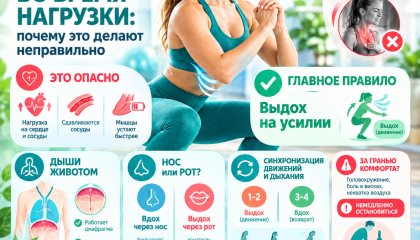
Many people diligently work their abs or strengthen their back, turn red from exertion, and... stop breathing. Holding your breath at the moment of maximum effort is the most common mistake that physical therapy specialists observe.
Holding your breath during exertion instantly increases intrathoracic and intra-abdominal pressure. This creates extra strain on the heart and blood vessels, compresses the blood vessels supplying the working muscles, and deprives them of oxygen. As a result, muscles fatigue three times faster, exercise technique breaks down, and the risk of a blood pressure spike increases.
This is a basic law of biomechanics. Any weight lift, torso twist, or rise from a squat should be accompanied by a smooth, confident exhale.
Why does this work? On an exhale, the abdominal muscles naturally tense, creating a protective corset around the spine. In addition, exhaling reflexively relaxes the antagonist muscles, allowing you to move more freely.
The inhale occurs during the return or preparation phase, when the weight is lowered, the body straightens after a bend, or you are preparing for the next movement. The inhale expands the chest and prepares the body for work.
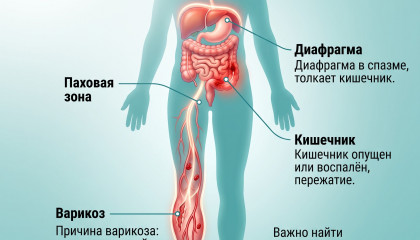
In everyday life, most adults breathe shallowly, using only the upper part of the chest. Meanwhile, the diaphragm — the main respiratory muscle — barely works. During physical therapy, deep diaphragmatic breathing is essential.
It is easy to check yourself: place one hand on your chest and the other on your solar plexus. With a correct inhale, the hand on your chest remains almost still, while the hand on your belly rises. The diaphragm moves down, massaging the internal organs and providing a powerful flow of oxygen. This kind of breathing calms the nervous system and reduces stress from exertion.
For physical therapy, the optimal pattern is: inhale through the nose, exhale through the mouth. The nose filters, warms, and humidifies the air, while a long exhale through the mouth helps control the pace of movement and keeps your heart rate from skyrocketing.
The rhythm of movements should be linked to breathing: "one-two" (movement) — exhale, "three-four" (return) — inhale. When this pattern becomes automatic, endurance grows without increasing physical strength.
If during exercise you experience dizziness, throbbing pain in your temples, or shortness of breath, you must stop immediately. Sit down, lower your head below your shoulders, and restore your breathing.

 Children
 Adults

 Children
Adults
Children
Adults
 Children
Adults
Children
Adults