The list of services is being updated.
For all necessary information, you can contact us by phone: 8 (8652) 20-55-66


The list of services is being updated.
For all necessary information, you can contact us by phone: 8 (8652) 20-55-66
The list of services is being updated.
For all necessary information, you can contact us by phone: 8 (8652) 20-55-66
Childbirth is a natural and physiological process, but it is also complex and not always predictable. Newborns often experience micro-injuries and birth traumas of varying severity.
Birth trauma of the cervical spine is a mechanical injury to the bone and muscle structures that occurs during childbirth. This pathology varies in terms of the location of the damage, the severity, and the clinical symptoms. It includes fractures, vertebral displacements, ligament tears, membrane ruptures, vascular injuries, hemorrhages of various types, and ischemic damage to spinal cord neurons.
Causes:
Regardless of the severity of the cervical spine trauma, such injuries leave consequences. These consequences can be severe, including cerebral palsy, paresis, or paralysis of the limbs, as well as headaches, autonomic dystonia, motor impairments, and postural issues. Birth trauma affects not only physical health but also mental well-being. Consequences may include hyperactivity, poor attention span, weak memory, and delayed speech development.
How can one identify the signs of trauma if it is not diagnosed immediately at the maternity ward?
It is worth noting that sometimes the obvious effects of trauma are absent and may manifest at a later age. Symptoms of cervical birth trauma are often caused by functional blockages of the atlanto-occipital joint with persistent neck muscle spasms. As a result, blood flow is disrupted. The vertebral artery passes through openings in the transverse processes of the vertebrae and forms a sharp bend near the atlas before entering the foramen magnum.
Any traumatic impact on this area triggers reflex irritation of the nerve plexus around the artery and its reflex spasm. Consequently, speech development delays may occur, leading to further delays in mental development.
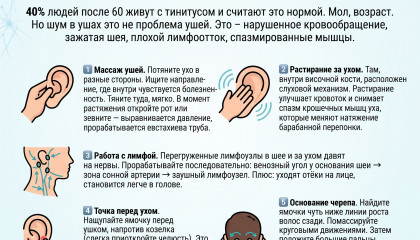
The neck houses major blood and lymphatic vessels in close proximity. The main neurovascular bundle, including the common carotid artery, internal jugular vein, and numerous nerves, can be affected or compressed, causing delayed speech development. A massage therapist employs a combination of mechanical techniques to impact surface tissues and, reflexively, functional systems and organs. This improves blood flow, facilitates the absorption of metabolic byproducts in lymph nodes, and reduces pain sensitivity. Massage also enhances nerve excitability and the conduction of nerve impulses. In muscles, it improves circulation and recovery processes, accelerating oxygen delivery and the removal of metabolic waste. This alleviates stiffness, soreness, and muscle swelling. Thus, massage techniques can minimize the effects of cervical spine trauma and prevent speech development disorders.
Typically, pediatric orthopedists or osteopaths diagnose and treat cervical spine injuries. A prior consultation with a neurologist is recommended. Following an initial examination, they may prescribe diagnostic imaging such as X-rays or Doppler studies to confirm the diagnosis. Once diagnosed, the priority is to correct vertebral alignment. Often, a cervical collar (Shantz collar) is prescribed, or osteopathic or manual therapy interventions may suffice. After stabilizing the cervical condition, physical therapy and massage are routinely recommended to strengthen muscles and improve tissue trophism.


 Children
 Adults

 Children
Adults
Children
Adults